
Understanding Brain Development
[Insert course description as per Course overview document]

Understanding and making art: Aboriginal and Torres Strait Islander Art in early childhood settings
This module introduces the richness and diversity of Aboriginal and Torres Strait Islander art. We explore ways educators and young children can approach art appreciation and art-making inspired by A…

Putting art in place (2-part series)
Putting art in place by Dr Red Ruby Scarlet is a two-part professional learning series that focuses on art and how it can facilitate the development of relationships. That includes relationships with…

Initiating a Reconciliation Action Plan: Where do I start?
This course will introduce early childhood professionals to the concept and context of reconciliation in early childhood education within Australia, and where to start when initiating a Reconciliatio…

Environments for learning: Intentional spaces
This course looks at the role of the physical environment in children’s learning and the importance of setting up a well-organised indoor space. It will help you create a variety of rich play and lea…

A good place to be a child: Creating effective early learning environments
According to architect Christopher Day, a building for small children must be magical and full of reverent wonder, like an ancient fairy tale. The physical environment—often known as the ‘third teach…

An insight into Autism Spectrum Disorder in the early years (2-part series)
Behaviour is a form of communication. Even if a person isn’t saying words, their behaviour and body language can show what they might be thinking or feeling. Children living with Autism Spectrum Diso…
Routines and transitions: Embracing opportunities for learning
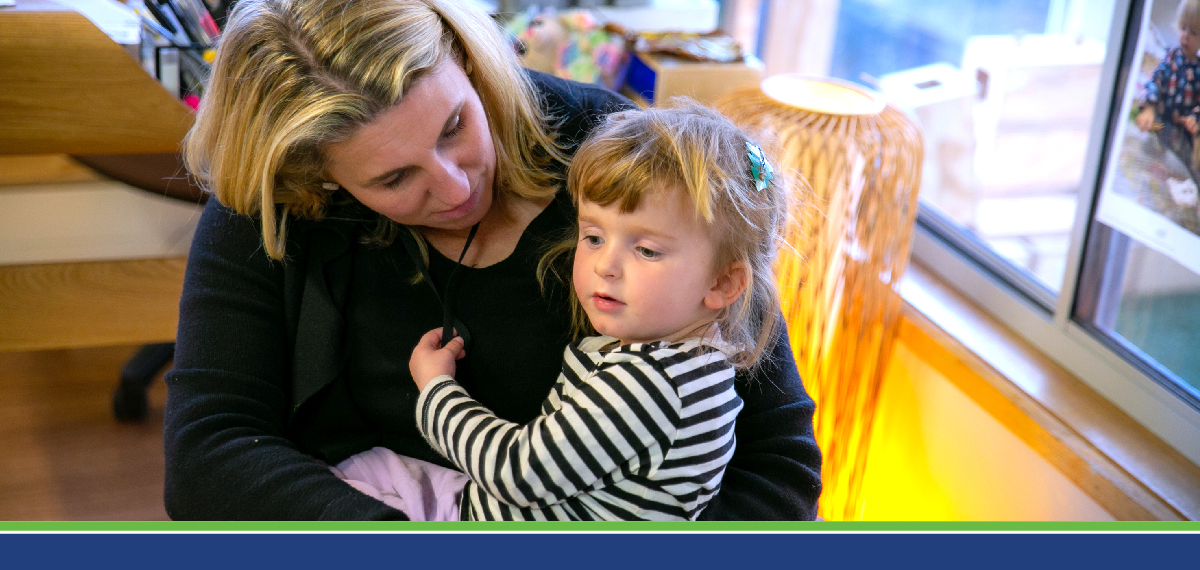
Everyday routines and transitions play a significant role in the lives of children and the adults who work with and care for them. This course will encourage you to reflect on the routines and transi…